How to Check South Africa New Digital ID Details
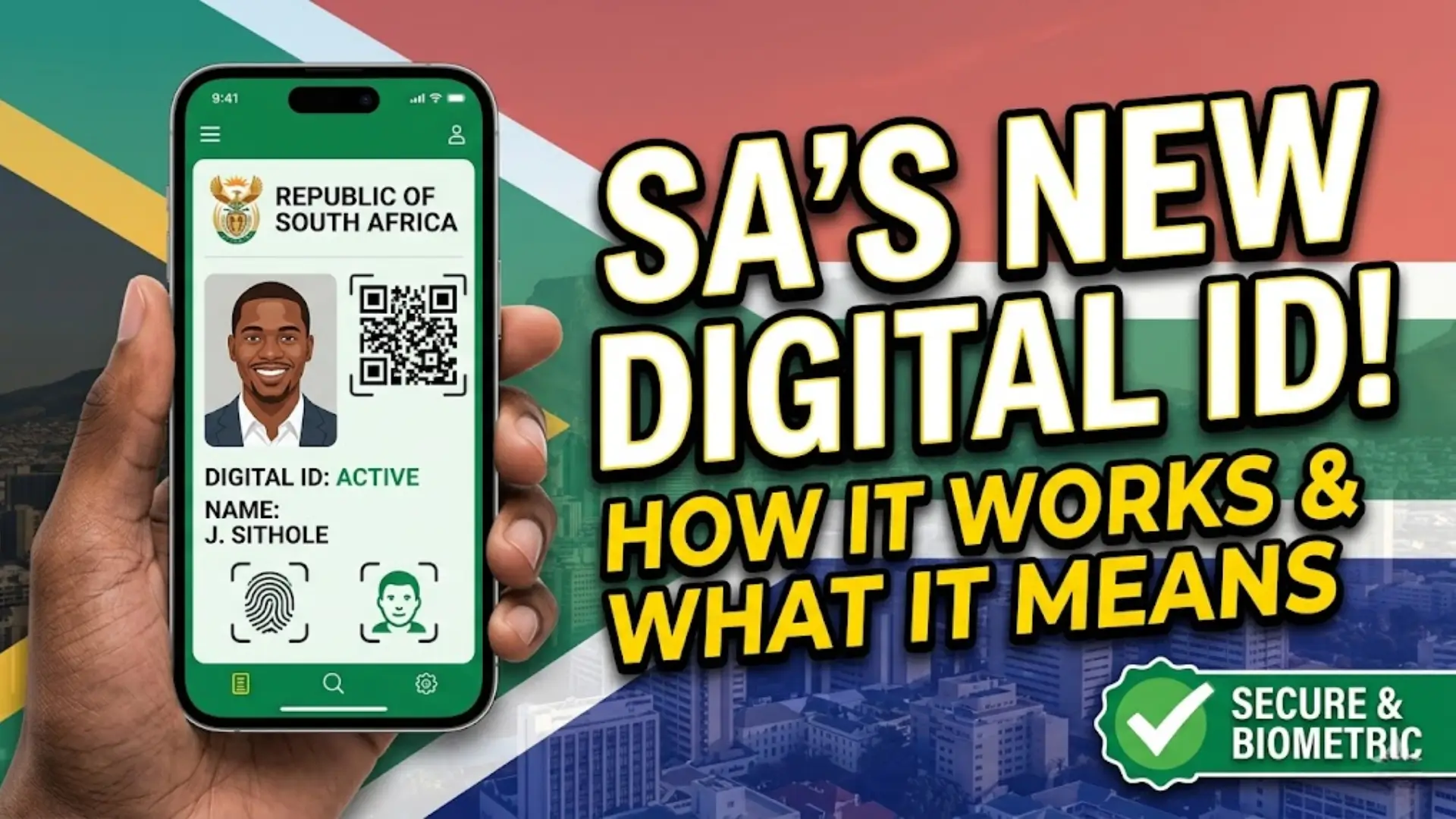
South Africa is entering a new phase of digital transformation with the launch of a modern Digital ID system developed by the Department of Home Affairs. The initiative is designed to give citizens secure digital access to identity-related services without depending entirely on physical documents.
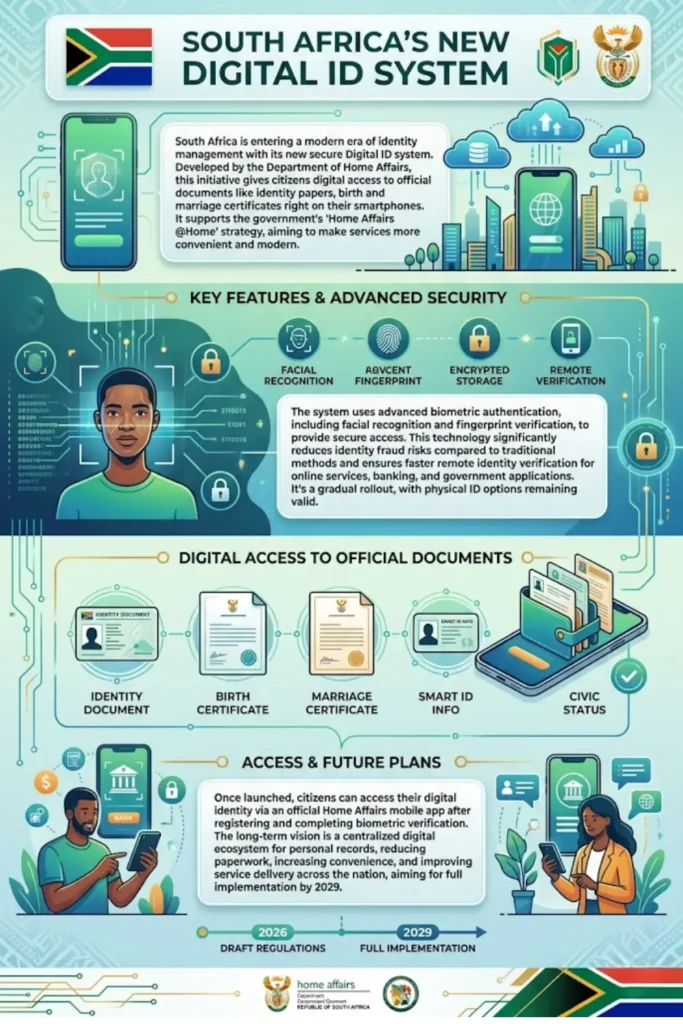
The government announced that citizens will eventually be able to carry digital versions of their identity documents, birth certificates, marriage certificates, and other official records on their smartphones. This move is expected to reduce fraud, improve convenience, and support online service delivery across both government and private sectors.
What Is the South Africa Digital ID System?
The South Africa Digital ID system is a secure electronic identity platform that allows citizens to digitally access and verify their official identification documents through a smartphone-based system. Unlike traditional physical identity documents, the Digital ID will use biometric authentication such as facial recognition and fingerprints.
You can also read: Scams 2026 Details Who is Affected
This means users will be able to confirm their identity remotely without needing to present a physical ID card in many situations. The Department of Home Affairs has also clarified that the Digital ID system will not immediately replace physical IDs. Smart ID cards and green ID books will continue to remain valid while the digital system is rolled out gradually.
Why the Government Is Introducing Digital IDs
The government is introducing Digital IDs mainly to improve security, reduce identity fraud, and modernize service delivery in South Africa. Traditional green ID books have long been criticized for being vulnerable to fraud and duplication. Even Smart ID cards, while more secure, still require physical handling and verification. A digital identity system backed by biometrics significantly reduces these risks.
Another major reason is convenience. Citizens often spend hours visiting Home Affairs offices for verification or document-related services. The new digital platform aims to allow many of these services to happen remotely through smartphones and online systems.
The Digital ID system is also expected to improve:
- Online banking verification
- E-government services
- Remote identity confirmation
- Digital document storage
- Faster access to official records
- Secure online transactions
Features of the New Digital Identity System
The new Digital ID platform is expected to include several advanced features that make identity management easier and more secure.
Some of the main features include:
- Smartphone-based digital identity wallet
- Facial recognition login
- Fingerprint verification
- Secure biometric authentication
- Digital storage of Home Affairs documents
- Remote identity confirmation
- Integration with government services
- Compatibility with private-sector verification systems
The system is also being designed for interoperability. This means banks, telecom companies, insurers, and other approved institutions may eventually verify customer identities directly through the platform. One important detail many people miss is that the Digital ID credentials are expected to have a five-year validity period, after which renewal may happen digitally using facial verification.
Documents Available Through the Digital ID
The Department of Home Affairs plans to include multiple official documents within the digital identity ecosystem.
The following documents are expected to become digitally accessible:
| Document Type | Expected Digital Availability |
|---|---|
| Identity Document | Yes |
| Birth Certificate | Yes |
| Marriage Certificate | Yes |
| Smart ID Information | Yes |
| Civic Status Records | Yes |
| Future e-Government Services | Planned |
The long-term vision is to create a centralized identity system where citizens can securely access important personal records from one trusted platform. This could eventually eliminate the need to carry paper copies for many services and transactions.
How to Check South Africa New Digital ID Details
Once the system officially launches for public use, citizens are expected to check their Digital ID details through a dedicated Home Affairs digital platform or mobile application. Although the full public interface is still under development, current government plans suggest users will likely:
- Download the official Home Affairs Digital ID app
- Register using their South African ID number
- Complete biometric verification
- Link their official records to the system
- Access and manage Digital ID credentials
Users may also receive notifications regarding ID status, expiry dates, updates, and verification requests directly through the app. The government has indicated that the platform could become part of the broader “MyMzansi” digital ecosystem for public services.
You can also read: Government Employees Pension Fund
Step-by-Step Process to Access Digital ID Information
While the final system may still change before public rollout, the expected process for checking Digital ID details may look like this:
Step 1: Download the Official Application
Citizens will likely need to install the official Department of Home Affairs Digital ID application from approved app stores. Avoid downloading unofficial apps or third-party copies because scammers often create fake government applications.
Step 2: Verify Your Identity
The system is expected to require:
- Facial recognition scan
- Fingerprint verification
- ID number confirmation
- Population register matching
This verification process helps prevent identity theft and unauthorized access.
Step 3: Access Your Digital Documents
After successful verification, users may be able to:
- View Digital ID credentials
- Check personal details
- Access linked certificates
- Verify document validity
- Update certain information
The Department of Home Affairs has emphasized that security and privacy protections will be central to the system.
Expected Platforms and Mobile App Access
The Digital ID system is expected to be primarily smartphone-based, allowing users to access their credentials through mobile applications.
The platform may eventually support:
- Android devices
- iPhones
- Government web portals
- Bank-integrated verification systems
- Secure digital wallets
One important advantage is that citizens may not need to carry physical identity documents in many situations once the system becomes fully operational. However, physical Smart ID cards will still remain available for people who prefer traditional identification methods.
Biometric Verification and Security Measures
Security is one of the biggest reasons behind South Africa’s move toward Digital IDs.
The system is expected to use:
- Facial recognition technology
- Fingerprint verification
- Encrypted identity storage
- Secure authentication systems
- Real-time identity checks
According to government plans, facial recognition will serve as the primary biometric method while fingerprints act as a secondary verification layer. The Department of Home Affairs also plans to strengthen safeguards around how identity information is shared with approved institutions. Access to personal data will remain regulated under South African privacy and information laws.
You can also read: Sars Announced 2026 Tax Season
Green ID Book, Smart ID Card, and Digital ID
South Africa’s identity system is evolving in stages, and many citizens are confused about the differences between the existing and upcoming options.
| Feature | Green ID Book | Smart ID Card | Digital ID |
|---|---|---|---|
| Physical Format | Yes | Yes | No |
| Smartphone Access | No | No | Yes |
| Biometric Verification | Limited | Moderate | Advanced |
| Fraud Protection | Low | Better | Highest |
| Remote Verification | No | No | Yes |
| Government Digital Integration | Limited | Partial | Full |
The green ID book is gradually being phased out due to fraud concerns, while Smart ID cards remain more secure. The Digital ID system represents the next stage of identity modernization.
Benefits of the New Digital ID System
The Digital ID initiative offers several practical benefits for South African citizens.
Some of the biggest advantages include:
- Faster identity verification
- Reduced paperwork
- Improved fraud protection
- Remote access to government services
- Easier online transactions
- Better convenience for travel and banking
- Reduced dependency on physical documents
The system could also improve access to services in rural areas where physical Home Affairs offices may be limited. For businesses and banks, real-time digital verification may reduce compliance costs and improve customer onboarding processes.
Common Problems Users May Face
As with any new digital system, some challenges are likely during the rollout phase.
Possible issues may include:
- Smartphone compatibility problems
- Internet connectivity limitations
- Biometric verification failures
- Forgotten login credentials
- Delays in identity matching
- Privacy concerns among users
Citizens who are unfamiliar with digital technology may also require assistance during registration and setup. The Department of Home Affairs will likely introduce support systems and help centers as adoption increases.
Tips to Keep Your Digital ID Secure
Digital identity systems are secure, but users still need to follow good cybersecurity practices.
Important safety tips include:
- Never share biometric verification details
- Use strong passwords and PINs
- Enable phone security locks
- Avoid public Wi-Fi during login
- Download only official government apps
- Keep your device updated
- Report suspicious activity immediately
One of the biggest mistakes users make with digital services is falling for phishing scams. Always verify official Home Affairs communication before entering personal information.
Government Timeline and Rollout Plans
The Department of Home Affairs aims to fully implement major parts of the Digital ID initiative by 2029 as part of its 2025–2030 strategic roadmap.
Current progress includes:
- Draft regulations published in 2026
- Public comment period open until June 2026
- Biometric systems already under development
- Integration planning with banks and government services
- Digital transformation projects underway
The government has confirmed that technical work on the platform is already progressing.
You can also read: Coinvest NSFAS Login Portal
Frequently Asked Questions
Will Smart ID cards still work?
Yes. The government confirmed that Smart ID cards and green ID books will continue to remain valid during the transition period.
Is the Digital ID compulsory?
No. The Digital ID system is expected to remain optional alongside physical IDs.
Will the Digital ID work without internet?
Full offline functionality has not yet been confirmed. Some features may require internet access for verification.
Can banks use the Digital ID system?
Yes. Future integration with banks and other approved institutions is part of the government’s plan.
Will Digital IDs replace green ID books completely?
The long-term goal is to phase out green ID books, but the transition will happen gradually over several years.
Conclusion
South Africa’s new Digital ID system represents one of the country’s biggest public-sector technology upgrades in recent years. By combining biometric verification, smartphone access, and secure digital services, the Department of Home Affairs aims to create a safer and more efficient identity ecosystem for citizens.
You can also read: Government Employees Pension Fund
Although the system is still in the regulatory and development phase, the direction is clear: South Africa is moving toward a future where identity verification happens digitally, securely, and instantly.