South Africa Adulterated Diesel Warning Problems Check Online
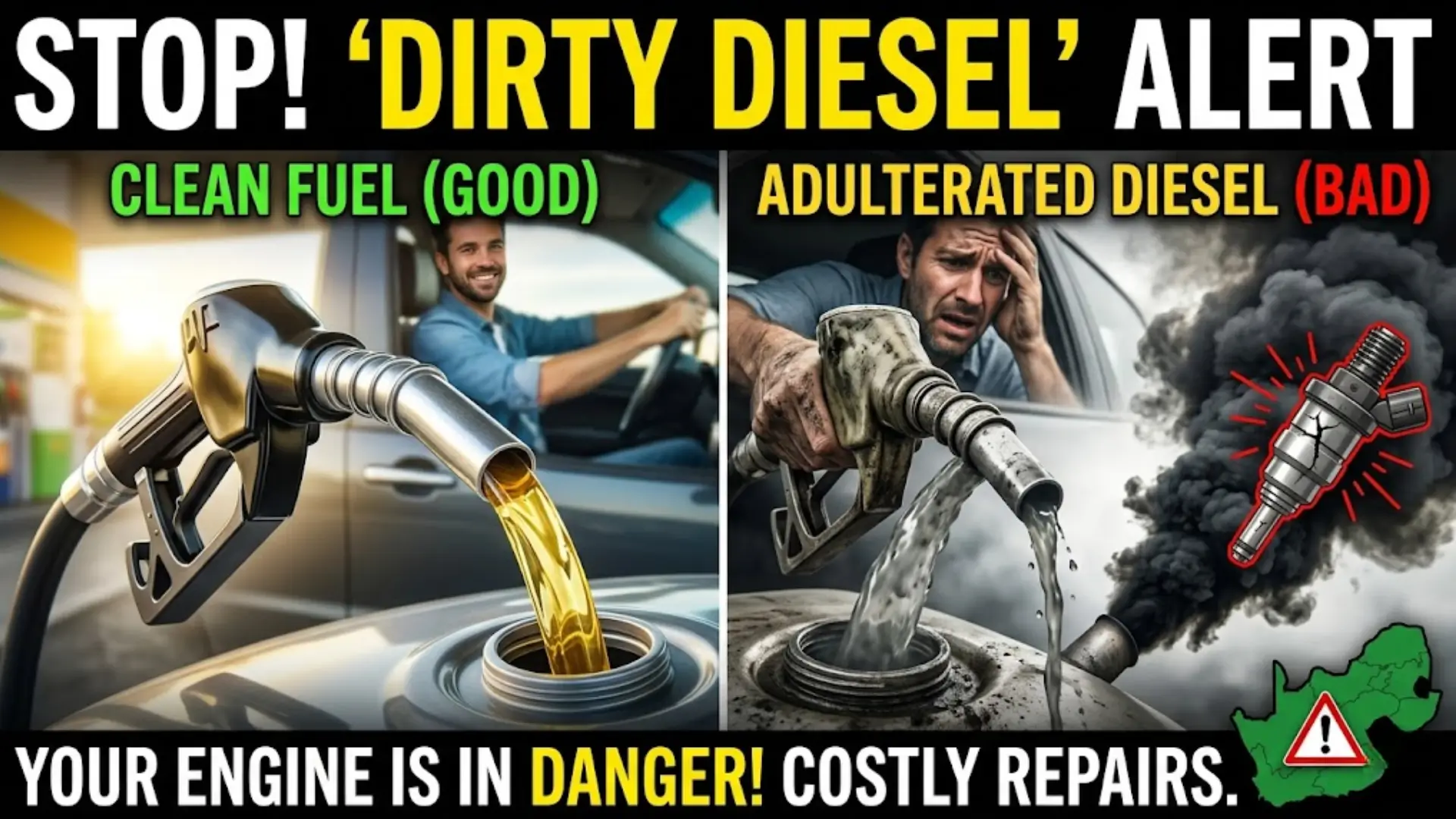
South Africa is facing growing concerns over adulterated diesel, commonly known as “dirty diesel.” Rising fuel prices, supply concerns, and increasing pressure on transport costs have created an environment where illegal fuel mixing is becoming more common. Experts warn that hundreds of fuel stations and illicit fuel depots may be involved in selling contaminated diesel across the country.
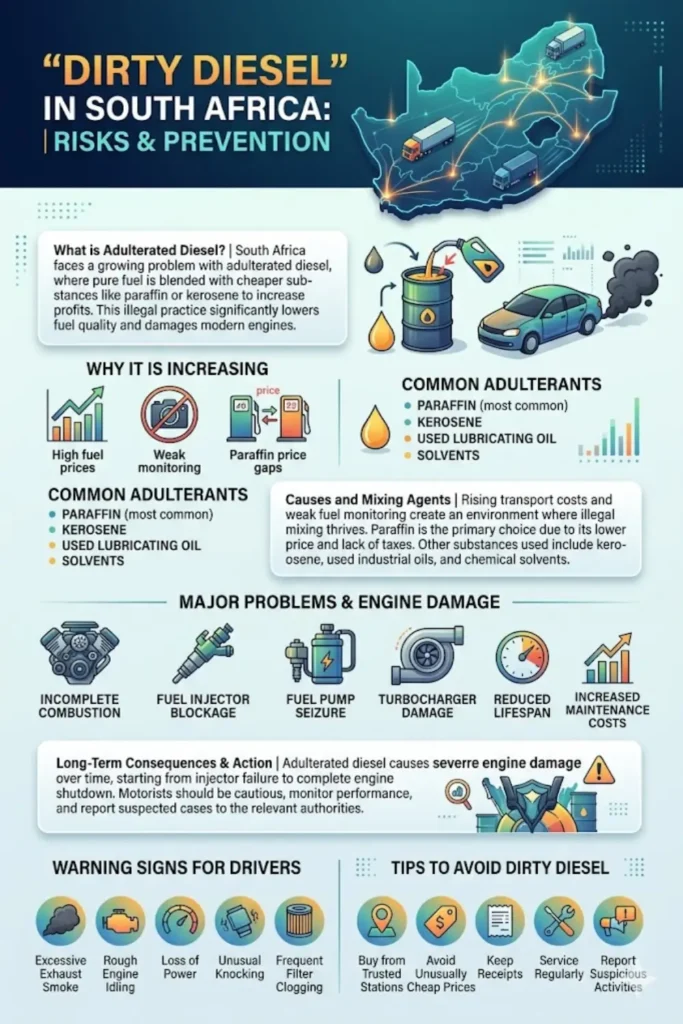
The issue has become serious because modern diesel vehicles depend on clean, high-quality fuel to operate properly. When diesel is diluted with cheaper substances such as paraffin or kerosene, motorists may save money initially, but the long-term damage to engines and fuel systems can be extremely costly.
Consumers are now searching for ways to identify contaminated diesel, check fuel quality online, and protect themselves from expensive repairs. Understanding the risks and warning signs is becoming essential for every diesel vehicle owner in South Africa.
What Is Adulterated Diesel?
Adulterated diesel refers to diesel fuel that has been illegally mixed with lower-cost substances to increase profits for dishonest sellers. Instead of selling pure diesel, some retailers blend it with paraffin, kerosene, lubricating oil, or other chemicals while still charging customers full diesel prices.
You can also read: Sars 2026 Tax Fling Deadlines
The practice is illegal because these additives change the chemical properties of the fuel. Diesel engines are carefully engineered to work with specific fuel standards, and any alteration can reduce engine performance and increase mechanical wear.
Fuel adulteration mainly happens in:
- Illegal fuel depots
- Small unregulated fuel distributors
- Certain independent filling stations
- Black-market fuel networks
The growing difference between diesel and paraffin prices has made adulteration financially attractive for criminals involved in the fuel trade.
Why Fuel Adulteration Is Increasing in South Africa
The biggest reason behind the increase in dirty diesel is the high cost of fuel. As diesel prices continue to rise, illegal operators see an opportunity to maximize profits by blending cheaper substances into diesel supplies.
Economist Sifiso Skenjana warned that the pricing structure of paraffin has unintentionally created a loophole. Paraffin is cheaper because it is not subject to the same taxes and fuel levies imposed on diesel and petrol.
Several additional factors are contributing to the rise of adulterated diesel in South Africa:
- Increasing transport and logistics costs
- Weak fuel monitoring systems
- Limited testing equipment
- High profit margins for illegal sellers
- Growing fuel demand in commercial sectors
- Difficulty detecting diluted fuel immediately
The ongoing global energy crisis and geopolitical instability have also pushed fuel prices higher, increasing pressure across the supply chain.
Common Substances Mixed With Diesel
Fuel adulteration involves mixing diesel with lower-cost liquids that can imitate some fuel properties but lack the proper combustion quality needed for modern engines.
The most common substances used include:
| Substance Mixed With Diesel | Why It Is Used | Main Risk |
|---|---|---|
| Paraffin | Cheap and widely available | Injector and pump damage |
| Kerosene | Similar appearance to diesel | Poor combustion |
| Lubricating oil | Adds thickness | Carbon buildup |
| Used industrial oil | Extremely low cost | Severe engine contamination |
| Solvents | Increases fuel volume | Corrosion and overheating |
Paraffin is especially popular because it is relatively affordable and widely distributed in South Africa. Criminals often remove identification markers from paraffin before blending it with diesel.
Major Problems Caused by Dirty Diesel
Adulterated diesel creates serious problems for vehicles, businesses, and the environment. Many motorists do not realize the damage until expensive repairs become unavoidable.
One of the biggest issues is incomplete combustion. Dirty diesel does not burn properly inside the engine, causing excessive smoke, poor fuel efficiency, and increased emissions. Over time, this can damage sensitive engine components and reduce vehicle lifespan.
Common problems linked to contaminated diesel include:
- Hard engine starting
- Reduced fuel economy
- Black smoke from exhaust
- Loss of engine power
- Fuel injector blockage
- Turbocharger damage
- Engine knocking
- Increased maintenance costs
Commercial transport companies face even greater risks because fleet vehicles depend heavily on engine reliability and fuel efficiency.
You can also read: SASSA Scams 2026 Details Who is Affected
Warning Signs of Adulterated Diesel
Recognizing the early signs of dirty diesel can help motorists prevent major engine damage. In many cases, symptoms appear shortly after refueling.
Drivers should pay attention if they notice sudden performance changes after filling up at a fuel station. Engine behavior often provides the first warning that fuel quality may be compromised.
Important warning signs include:
- Vehicle struggles to accelerate
- Excessive exhaust smoke
- Rough engine idling
- Increased fuel consumption
- Strong chemical smell from exhaust
- Engine warning lights appearing
- Unusual knocking noises
- Fuel filter clogging frequently
If multiple symptoms appear after a recent refill, contaminated diesel may be the cause.
How Adulterated Diesel Damages Modern Engines
Modern diesel engines use advanced high-pressure fuel injection systems that require extremely clean fuel. Even small contamination levels can damage sensitive components.
Fuel injectors are particularly vulnerable because they operate under very high pressure with microscopic tolerances. Dirty diesel reduces lubrication and introduces impurities that wear down injector parts quickly.
Long-term exposure to adulterated fuel can lead to:
- Injector failure
- Fuel pump seizure
- Corrosion inside the fuel system
- Turbocharger problems
- Carbon deposits in combustion chambers
- Diesel particulate filter blockage
- Reduced engine lifespan
Repair costs can become extremely expensive, especially for newer diesel vehicles equipped with advanced emissions systems.
Diesel vs Adulterated Diesel Comparison
| Feature | Clean Diesel | Adulterated Diesel |
|---|---|---|
| Combustion Quality | Efficient and stable | Incomplete and unstable |
| Engine Performance | Smooth operation | Reduced power |
| Emissions | Controlled emissions | Heavy smoke and toxins |
| Fuel Economy | Better mileage | Poor fuel efficiency |
| Engine Protection | Proper lubrication | Increased wear |
| Maintenance Costs | Lower | Higher |
| Injector Health | Protected | Damaged over time |
| Environmental Impact | Lower pollution | Higher pollution |
This comparison clearly shows why using high-quality diesel is critical for modern engines.
How to Check Fuel Quality Online in South Africa
Many motorists are now searching online for ways to verify fuel quality and avoid contaminated diesel. While there is no universal public fuel quality database yet, several methods can help consumers stay informed.
Motorists can:
- Check customer reviews of fuel stations
- Monitor complaints on consumer forums
- Follow fuel industry news updates
- Use fleet management fuel monitoring systems
- Verify station licensing through official authorities
- Review social media discussions about suspicious stations
Some logistics companies and large fleet operators also use laboratory fuel testing services to analyze diesel samples regularly.
When checking online, consumers should look for repeated complaints involving:
- Engine failure after refueling
- Dirty fuel reports
- Water contamination
- Sudden performance issues
- Poor fuel economy trends
Staying informed can significantly reduce the risk of purchasing contaminated fuel.
You can also read: South African Police Service 5,500 Police
Government Action and Fuel Regulation Challenges
South African authorities have attempted to strengthen fuel regulations, but enforcement remains difficult. Criminal fuel operations continue to evolve faster than monitoring systems.
One major challenge is the lack of sufficient testing equipment. Although paraffin contains identification markers, enforcement agencies often struggle to detect altered fuel quickly and consistently.
Current regulatory challenges include:
- Limited fuel inspection capacity
- Illegal fuel transport networks
- Weak surveillance systems
- Inconsistent enforcement
- Cross-border fuel smuggling
- Lack of real-time testing technology
Industry experts believe stricter enforcement and improved fuel tracing systems are necessary to reduce fuel adulteration effectively.
Expert Warnings About Illegal Fuel Trade
Security and fuel industry experts warn that adulterated diesel is no longer a small underground problem. Investigations have reportedly uncovered more than 100 suspected illicit fuel depots across South Africa.
Experts believe the illegal fuel trade is becoming more organized due to:
- High diesel demand
- Rising transportation costs
- Economic pressure
- Large profit opportunities
- Weak monitoring systems
The expansion of illicit fuel operations threatens not only consumers but also legitimate fuel businesses and government tax revenue.
Many experts are calling for stronger collaboration between fuel companies, regulators, law enforcement, and customs authorities.
Tips to Avoid Buying Dirty Diesel
Consumers can reduce their risk by being cautious about where they purchase diesel and by monitoring vehicle performance carefully.
Helpful prevention tips include:
- Buy fuel from trusted major stations
- Avoid unusually cheap diesel prices
- Keep fuel receipts for records
- Refill at busy stations with high turnover
- Service fuel filters regularly
- Use reputable fleet fuel cards
- Report suspicious fuel stations
- Monitor fuel consumption patterns
Drivers should also avoid storing diesel for long periods because contamination risks increase when fuel handling standards are poor.
What to Do If You Suspect Contaminated Diesel
If you believe your vehicle has been filled with adulterated diesel, acting quickly may reduce engine damage.
Recommended steps include:
- Stop driving if severe symptoms appear
- Keep the fuel receipt and station details
- Take photos or videos if possible
- Contact the fuel station immediately
- Have the fuel system inspected by a mechanic
- Request fuel testing if necessary
- Report the issue to consumer authorities
Continuing to drive with contaminated fuel can worsen damage and increase repair costs significantly.
Future of South Africa’s Fuel Industry
The adulterated diesel problem highlights broader issues within South Africa’s fuel sector, including pricing pressure, regulation gaps, and supply chain vulnerabilities.
As fuel prices remain volatile globally, experts expect fuel quality monitoring to become more important. New technologies such as digital fuel tracking, mobile fuel testing, and AI-based monitoring systems may eventually help reduce illegal fuel blending.
Future improvements may include:
- Stronger fuel authentication systems
- Better roadside fuel testing
- Improved refinery oversight
- Digital fuel supply chain tracking
- Increased penalties for illegal sellers
- Public fuel quality reporting systems
Consumers will likely play a major role by reporting suspicious activity and supporting reputable fuel retailers.
Conclusion
The rise of adulterated diesel in South Africa is becoming a serious concern for motorists, transport companies, and regulators. Dirty diesel may appear cheaper in the short term, but the hidden costs of engine damage, repairs, and reduced performance can be devastating.
Understanding the warning signs, checking fuel quality online, and buying from trusted fuel stations are some of the best ways consumers can protect themselves. As the illegal fuel trade grows, awareness and prevention will become increasingly important.
South African drivers should remain cautious, stay informed about fuel industry developments, and act quickly if they suspect contaminated diesel. Clean fuel is no longer just about performance — it is essential for protecting modern engines and avoiding major financial losses.