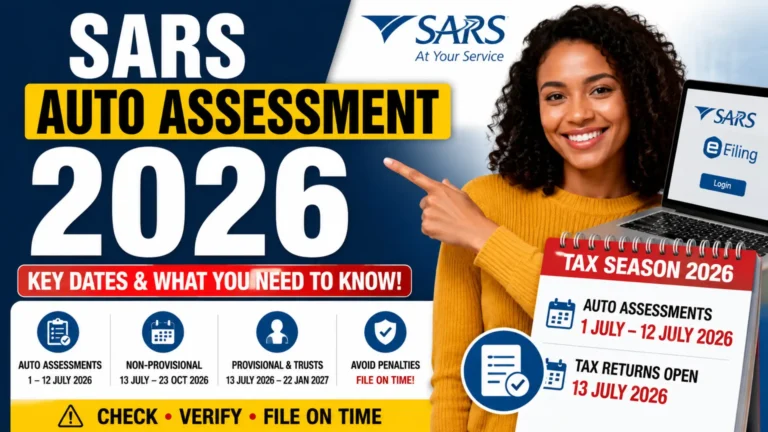
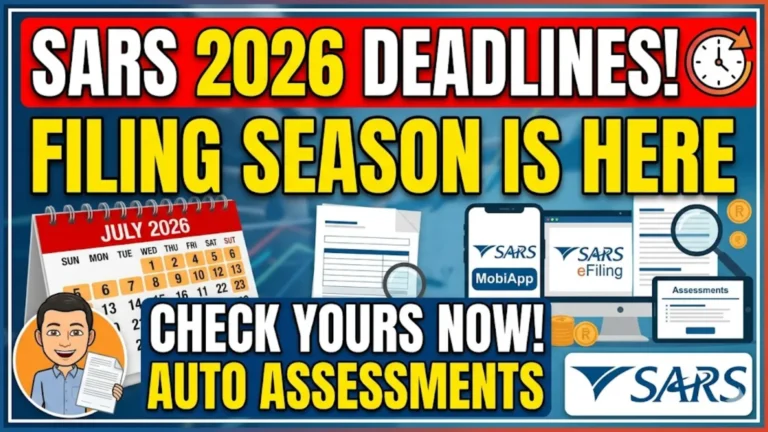
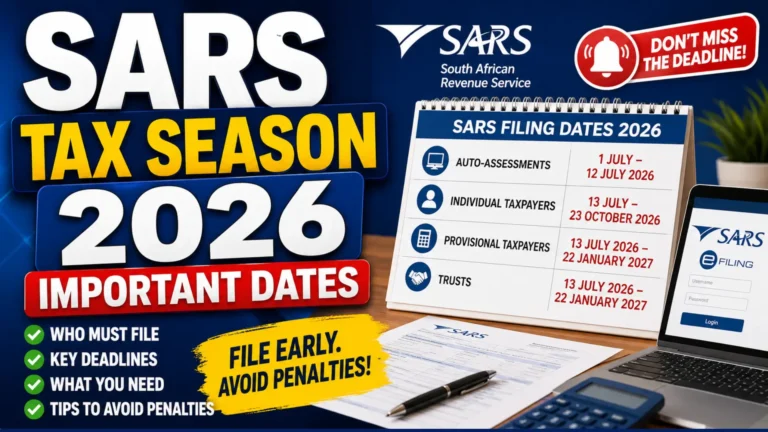
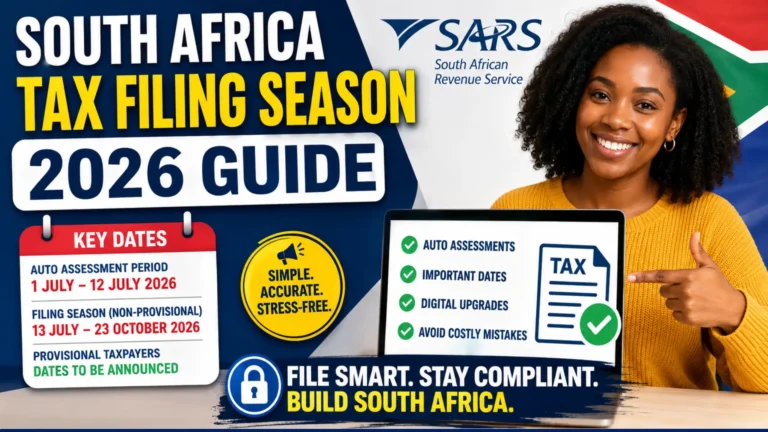
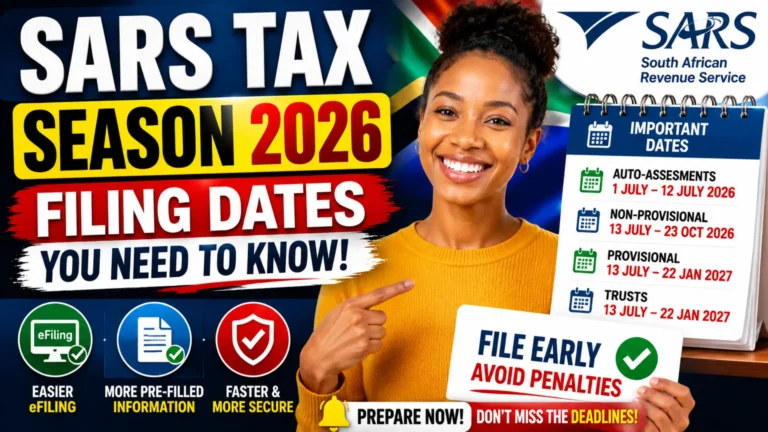
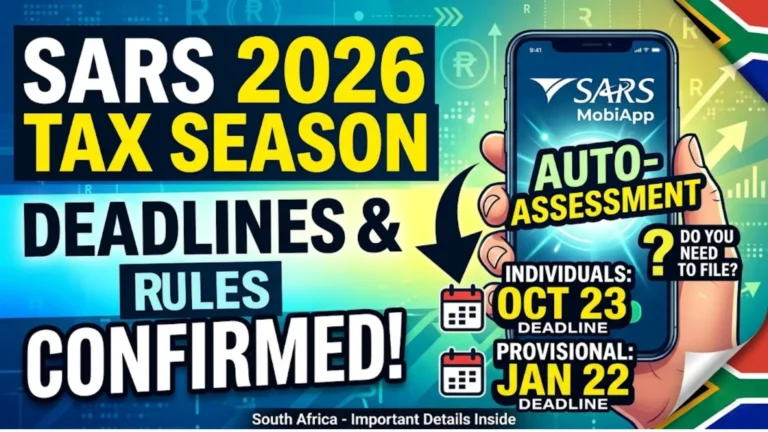
SARS 2026 Auto Assessment Changes Everything You Need to Know Before Filing
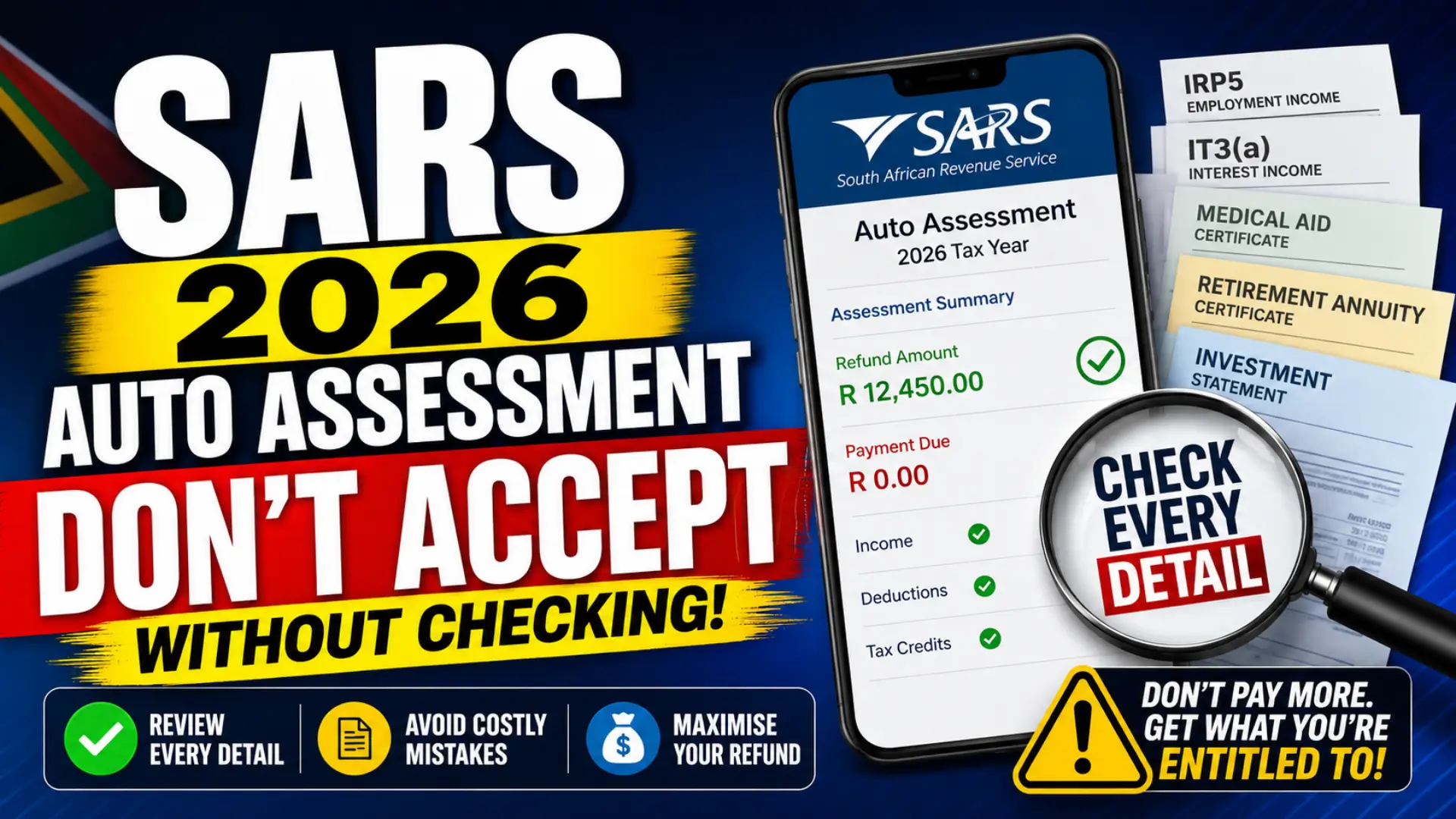
The South African Revenue Service (SARS) continues to improve its digital tax system, making tax filing faster and more convenient through Auto Assessments. While the 2026 filing season promises a smoother experience for millions of taxpayers, it also places greater responsibility on individuals to verify that every detail is accurate before accepting an assessment.
Many taxpayers assume that an Auto Assessment is automatically correct because it comes directly from SARS. However, incorrect income records, missing deductions, outdated certificates, or unreported earnings can result in paying more tax than necessary or receiving a smaller refund. Understanding how the 2026 SARS Auto Assessment works can help you avoid costly mistakes and ensure your tax affairs remain compliant.
What Is the SARS 2026 Auto Assessment?
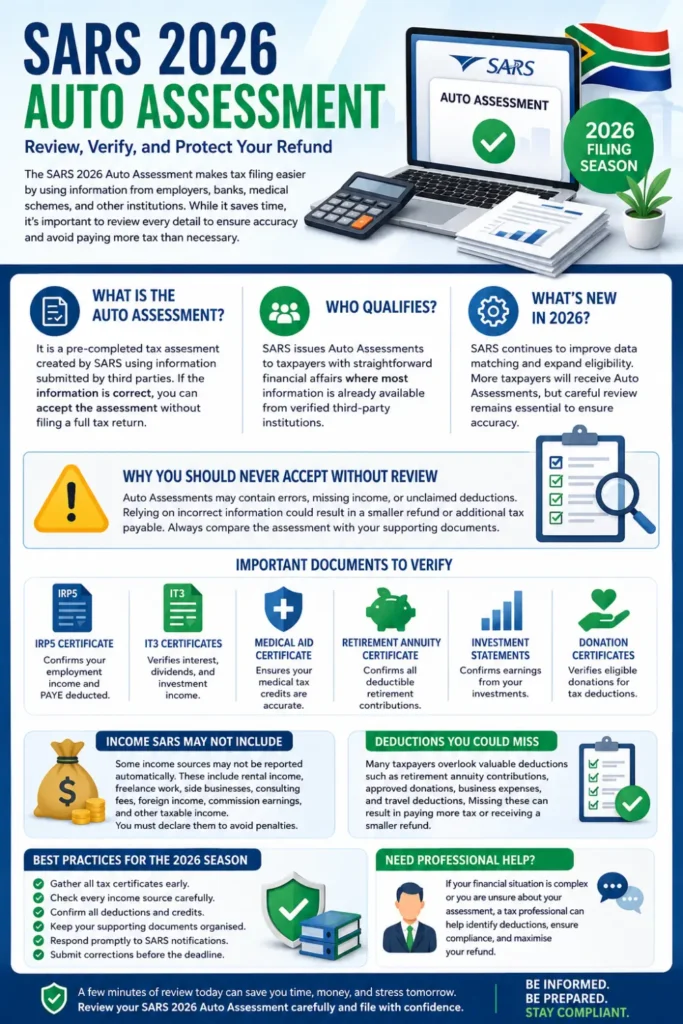
The SARS Auto Assessment is a pre-completed tax assessment created using information submitted by employers, banks, retirement funds, medical schemes, investment providers, and other registered third parties.
You can also read: Sassa SRD SC19 Status Check Appeal
Instead of manually completing a tax return immediately, qualifying taxpayers receive an assessment showing their estimated tax position. If everything is accurate, they may simply accept the assessment without filing a full return. However, if any information is incorrect or incomplete, taxpayers can submit changes during the filing period.
Information Included in an Auto Assessment
Your assessment may include:
- Employment income (IRP5)
- PAYE already deducted
- Medical tax credits
- Retirement fund contributions
- Interest and investment income received from third parties
- Tax refund amount (if applicable)
- Outstanding tax payable (if applicable)
Although SARS collects information from multiple sources, it may not always receive every piece of financial information relevant to your tax return.
What’s New for the 2026 SARS Auto Assessment?
The 2026 filing season continues SARS’ focus on digital tax administration by expanding the number of taxpayers eligible for Auto Assessments and improving the accuracy of third-party data matching.
Despite these improvements, taxpayers should not assume that automation removes the need for careful review. Missing income, corrected employer submissions, and unclaimed deductions can still affect the final assessment.
Who Qualifies for SARS Auto Assessment?
Not every taxpayer receives an Auto Assessment. SARS generally selects taxpayers whose financial affairs are relatively straightforward and whose tax information has already been received from verified third-party institutions.
You can also read: July Fuel Price Drop South Africa 2026
You may qualify if your income and deductions can largely be verified through information already submitted to SARS. Taxpayers with more complex financial affairs may still need to complete a full tax return.
Why You Should Never Automatically Accept Your Assessment
Receiving an Auto Assessment does not guarantee that every figure is correct.
SARS relies on information submitted by external institutions. If those records contain errors or certain income has not yet been reported, the assessment may not accurately reflect your actual tax position.
Common Reasons Auto Assessments Need Correction
Some of the most common issues include:
- Incorrect IRP5 information
- Employer submitted updated information after the assessment
- Missing retirement annuity contributions
- Incomplete medical aid information
- Missing interest or investment income
- Freelance or consulting income not declared
- Rental property income omitted
- Travel allowance calculations
- Commission income not reflected
- Tax-deductible donations excluded
Even one missing item can significantly affect your refund or tax liability.
Information You Should Verify Before Accepting
Before accepting your Auto Assessment, compare every figure against your supporting tax documents.
| Tax Document | Why It Matters |
|---|---|
| IRP5 Certificate | Confirms employment income and PAYE |
| IT3 Certificates | Verifies interest, dividends, and investments |
| Medical Aid Certificate | Confirms medical tax credits |
| Retirement Annuity Certificate | Ensures all deductible contributions are included |
| Investment Statements | Confirms investment earnings |
| Donation Certificates | Verifies qualifying tax deductions |
Review each document carefully before deciding whether your assessment is accurate.
Income That SARS May Not Automatically Include
Certain income sources still require taxpayers to declare them manually if they have not been reported by third parties.
Examples include:
- Rental income
- Freelance work
- Side businesses
- Consulting income
- Foreign income
- Commission earnings
- Certain investment income
- Other taxable earnings
Failing to declare taxable income may lead to additional tax, penalties, or interest later.
You can also read: July Electricity Tariff Increase South Africa 2026
Deductions You Could Miss
Many taxpayers focus only on income while overlooking legitimate deductions that may reduce their tax liability.
Potential deductible items include:
- Retirement annuity contributions
- Approved donations
- Certain business expenses
- Travel deductions where applicable
- Other qualifying tax deductions permitted by SARS
Missing legitimate deductions could result in receiving a smaller refund than you deserve.
How to Review Your SARS Auto Assessment
Checking your assessment only takes a short time but could save you money and prevent future complications.
Follow these steps:
- Open your SARS Auto Assessment.
- Compare every amount with your tax certificates.
- Verify employment income and PAYE.
- Check medical tax credits.
- Confirm retirement contributions.
- Review investment income.
- Declare any additional taxable income.
- Ensure all eligible deductions are included.
- Submit corrections if necessary.
- Keep copies of all supporting documents.
Taking a few extra minutes now can prevent lengthy disputes later.
Can You Increase Your Tax Refund?
Yes. Many taxpayers discover that their initial Auto Assessment does not include every deduction or contribution they qualify to claim.
Correcting legitimate omissions before finalising your assessment may increase your refund or reduce the amount of tax payable. However, every claim must be supported by valid documentation.
Common Mistakes Taxpayers Make
Simple errors often create unnecessary delays or unexpected tax bills.
Avoid these common mistakes:
- Accepting the assessment without checking it
- Ignoring SARS notifications
- Forgetting additional income
- Missing retirement deductions
- Using outdated certificates
- Failing to report investment earnings
- Assuming employers submitted correct information
- Waiting until the last minute to review documents
A careful review greatly reduces the risk of filing errors.
When Should You Seek Professional Tax Assistance?
Tax advice becomes particularly valuable when your financial affairs extend beyond regular salary income.
You should consider professional assistance if:
- You have multiple income sources.
- You own rental property.
- You are self-employed.
- You work as a freelancer or consultant.
- You receive commission income.
- You have investment portfolios.
- SARS unexpectedly indicates that you owe tax.
- You are unsure whether your deductions have been applied correctly.
Professional tax practitioners can often identify legitimate deductions and compliance issues that taxpayers may overlook.
What Happens If You Ignore Your Auto Assessment?
Ignoring SARS communications is rarely a good idea.
Depending on your circumstances, failing to review your assessment could leave errors uncorrected, delay refunds, create compliance issues, or result in paying more tax than necessary. Even if your assessment appears straightforward, it is always worth verifying the information before taking no action.
Best Practices for the 2026 Filing Season
Preparing early makes the filing process significantly easier.
Keep these best practices in mind:
- Gather all tax certificates before reviewing your assessment.
- Check every income source carefully.
- Confirm all deductions.
- Keep supporting documents organised.
- Respond promptly to SARS notifications.
- Submit corrections before filing deadlines.
- Retain tax records for future reference.
A proactive approach helps minimise errors and improves the chances of a smooth filing experience.
You can also read: 2026 Tax Filing Season In South Africa
Frequently Asked Questions
Is every taxpayer automatically assessed by SARS?
No. SARS only issues Auto Assessments to qualifying taxpayers based on available third-party information and its selection criteria.
Can I change my SARS Auto Assessment?
Yes. If your assessment contains missing information or errors, you can submit corrections during the applicable filing period.
Can I receive a larger refund after correcting my assessment?
Yes. If legitimate deductions or income adjustments are missing, correcting the assessment may increase your refund or reduce your tax liability.
What documents should I review?
At a minimum, compare your assessment with your IRP5, IT3 certificates, medical aid certificate, retirement annuity certificate, investment statements, and any other supporting tax documents.
Should freelancers rely on Auto Assessments?
Freelancers and taxpayers with multiple income sources should review their assessments particularly carefully because additional income may not always be automatically reflected.
Final Thoughts
The SARS 2026 Auto Assessment system makes tax filing easier for millions of South Africans, but convenience should never replace careful review. Automated assessments are only as accurate as the information SARS receives, and missing income, incorrect employer submissions, or overlooked deductions can affect your final tax outcome.
Before accepting your assessment, compare it with your supporting documents, confirm every income source, and ensure all eligible deductions have been included. Spending a little extra time reviewing your assessment can help prevent unnecessary tax payments, avoid compliance issues, and potentially increase your refund. When your financial situation is more complex or you are uncertain about the accuracy of your assessment, seeking professional tax advice can provide additional confidence and ensure your return is both accurate and fully compliant.