Check the Reasons for Sassa Portal Facial Recognition Failure
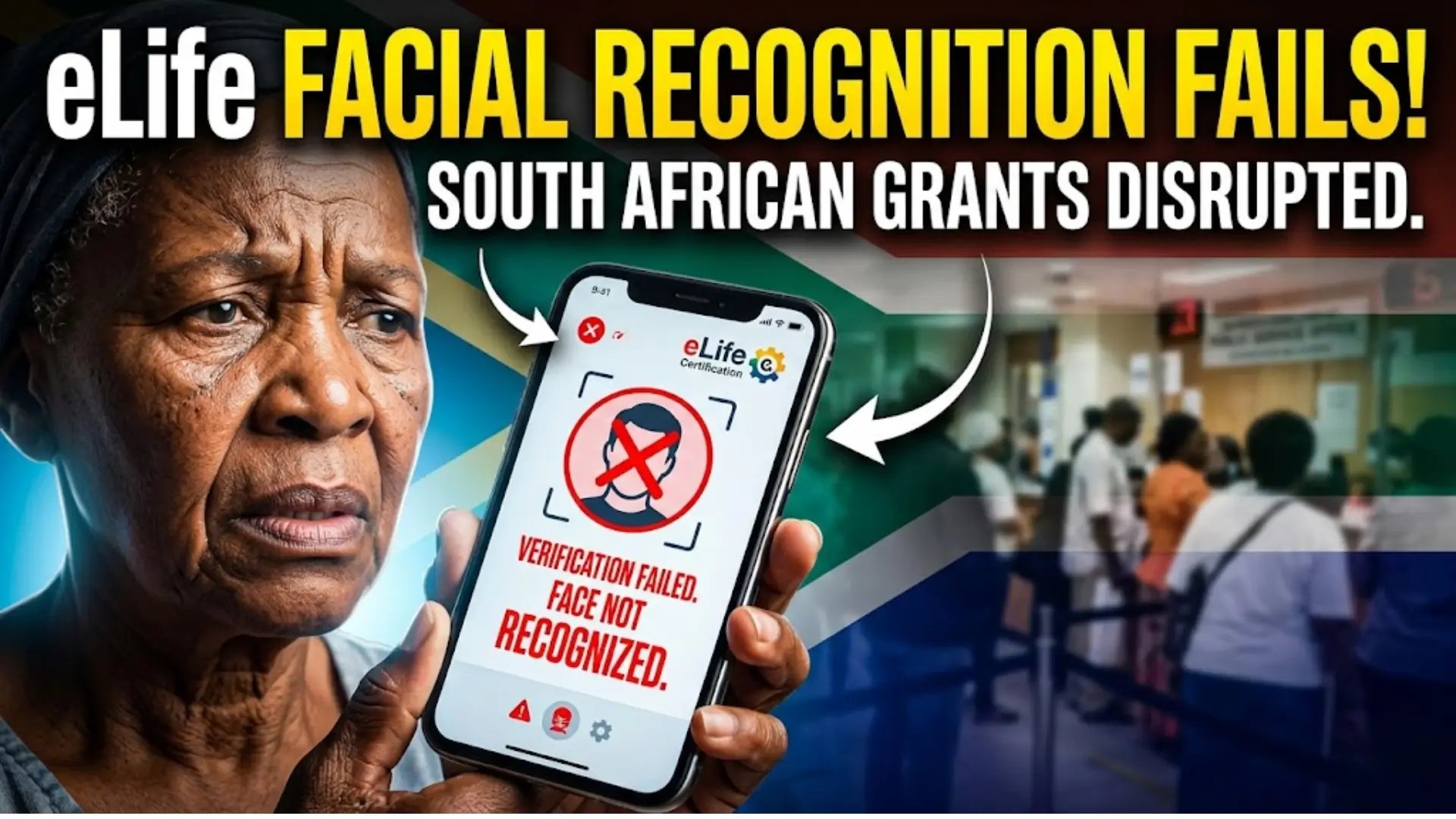
For millions of South Africans, social grants are not just financial support—they are a lifeline. Any disruption in accessing these funds can create immediate stress and uncertainty. The introduction of the eLife Certification system was meant to simplify verification, but for many users, it has done the opposite.
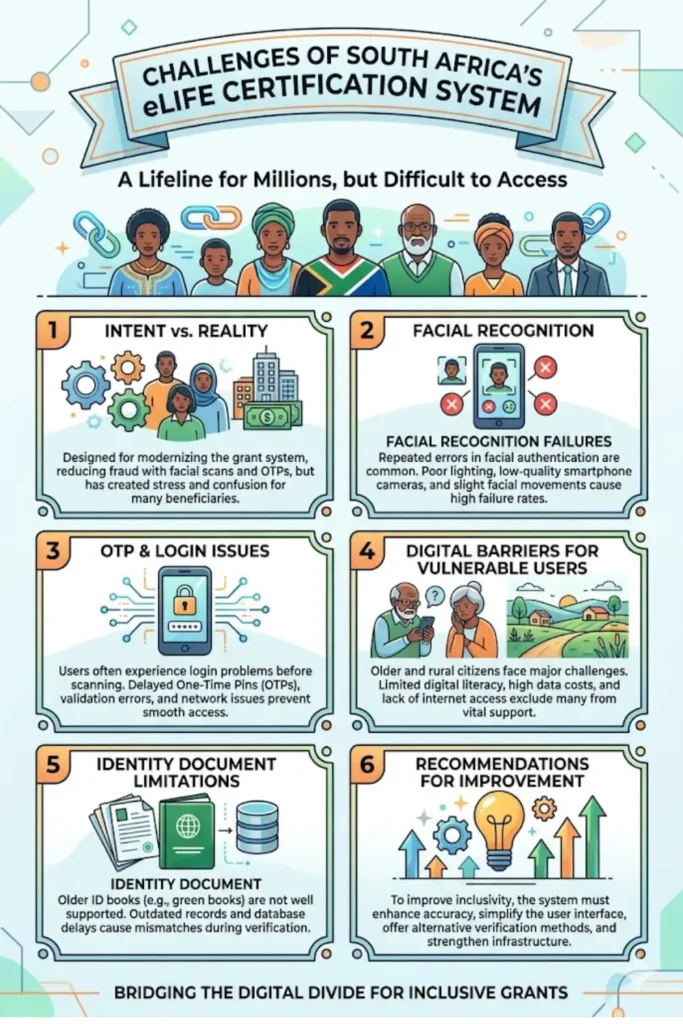
Instead of convenience, beneficiaries are facing repeated errors, failed logins, and confusion. Understanding why the facial recognition system is failing is important, not just for users but also for improving the system itself.
What Is the eLife Certification System?
The eLife Certification portal is a digital verification platform introduced to reduce fraud and modernize the grant system. It allows users to confirm their identity online without visiting offices physically.
The system works through a combination of facial recognition and one-time pin (OTP) verification. While this sounds efficient in theory, the real-world experience has exposed several gaps.
- Designed to reduce fraud in grant distribution
- Uses facial recognition to confirm identity
- Requires OTP verification via mobile devices
- Connected to national identity databases
Despite its goals, the system has struggled to meet user expectations, especially among older beneficiaries.
You can also read: Sassa Elife Certification Glitches Guide
Common Facial Recognition Failures
One of the biggest challenges users face is the inability to complete the facial recognition step. This issue has been widely reported across different regions.
Many users attempt verification multiple times without success. Even when instructions are followed carefully, the system often fails to recognize faces correctly.
- Poor lighting affecting image capture
- Low-quality smartphone cameras
- System sensitivity to slight facial movements
- Aging faces not matching older ID records
These issues make the process frustrating, especially for elderly users who may not be familiar with digital tools.
Technical Issues Behind the Portal
The system does not operate independently; it relies on multiple external services. When one part fails, the entire process can be disrupted.
Users often experience loading problems and system timeouts, which prevent them from completing verification.
- Server overload due to high traffic
- Slow internet connections in rural areas
- Dependency on external identity verification systems
- Frequent downtime and maintenance issues
These technical barriers create delays and increase anxiety among beneficiaries.
OTP and Login Problems
Another major issue lies in the OTP verification process. Many users report not receiving codes or having them rejected even when entered correctly.
This creates a situation where users cannot even reach the facial recognition stage.
- Delayed OTP delivery
- Incorrect code validation
- Network issues affecting message delivery
- Repeated login failures
Such problems make the system unreliable for users who depend on timely access.
You can also read: South Africa Fuel Prices Hike to rise in May
Challenges for Elderly and Rural Users
The system does not equally serve all users. Older individuals and those in rural areas face the biggest challenges.
Digital literacy and access to technology play a major role in how easily someone can use the platform.
- Limited experience with smartphones
- Lack of internet access or high data costs
- Difficulty understanding digital instructions
- Physical limitations affecting facial scans
For these users, what should be a simple process becomes a major obstacle.
Identity Document Limitations
Another hidden issue is the type of identification used. The system struggles to process older forms of ID, especially the green ID book.
This creates additional barriers for users who have not yet upgraded their documents.
| Issue Type | Impact on Users | Result |
|---|---|---|
| Old ID Book | Poor system compatibility | Verification failure |
| Outdated Records | Mismatch with current appearance | Facial recognition errors |
| Database Delays | Slow identity confirmation | Long waiting times |
| System Integration Gaps | Incomplete data synchronization | Login and access issues |
These limitations highlight the need for better integration and support for all ID types.
Emotional and Financial Impact
Beyond technical issues, the system is affecting people’s daily lives. Many beneficiaries rely entirely on these grants for survival.
Repeated failures create stress and fear, especially when deadlines are involved.
- Anxiety over losing grant access
- Financial instability due to delays
- Loss of trust in digital systems
- Increased dependence on physical help centers
This shows that even small technical issues can have serious real-world consequences.
You can also read: Sasol Natref Sustainability Certification
What Can Be Improved?
To make the system more effective, several improvements are necessary. The focus should be on accessibility, reliability, and user support.
- Simplify the user interface for easy navigation
- Improve facial recognition accuracy
- Provide alternative verification methods
- Strengthen system servers and reduce downtime
- Offer support for users with older ID documents
These changes can help bridge the gap between digital innovation and real-life usability.
Conclusion
The eLife Certification system represents a step toward modernization, but it also exposes the challenges of digital transformation. A system designed for efficiency must also be inclusive and reliable.
You can also read: SASSA Gold Cards are being Phased Out
Until these issues are resolved, many beneficiaries will continue to struggle. Fixing facial recognition failures is not just a technical task—it is essential for ensuring that vulnerable citizens can access the support they depend on without unnecessary barriers.