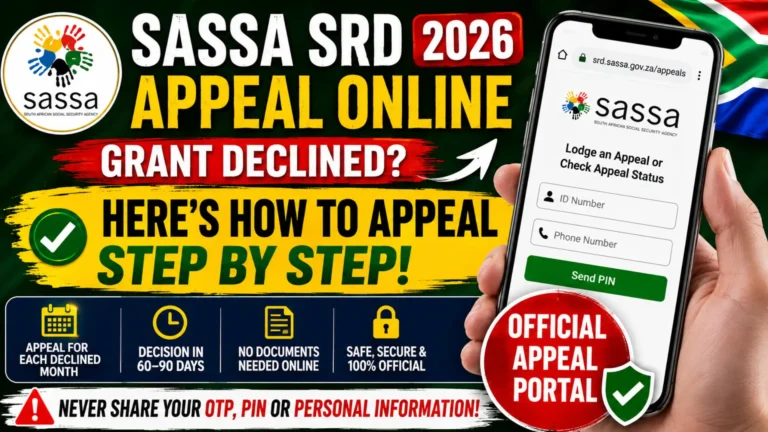
How to Check SRD Decline Reasons Common Causes Behind This SRD Decline
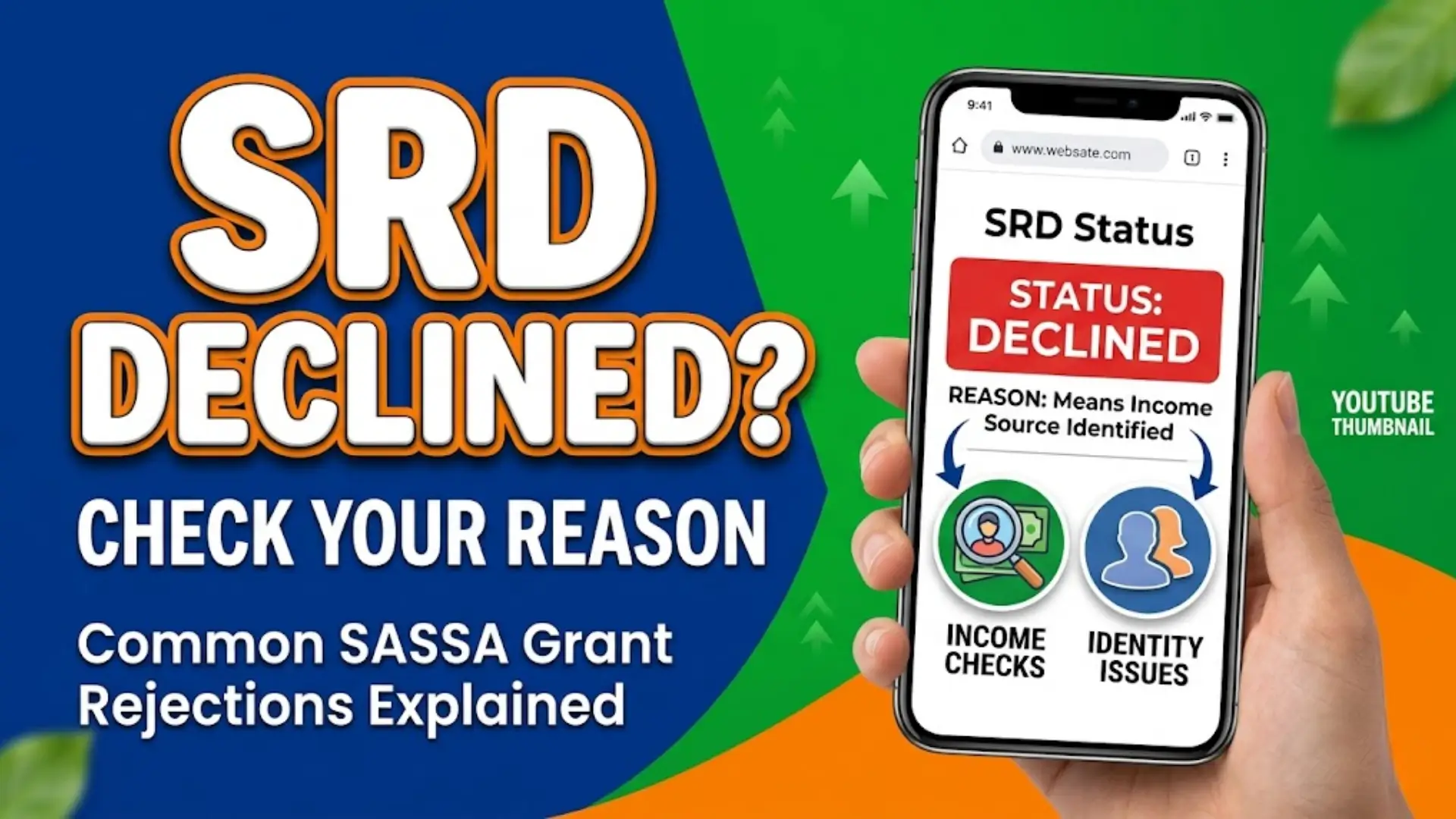
Millions of South Africans rely on the Social Relief of Distress (SRD) grant to help cover basic living expenses. When an SRD application is declined, many applicants are left confused because they do not understand the reason behind the rejection or what steps to take next.
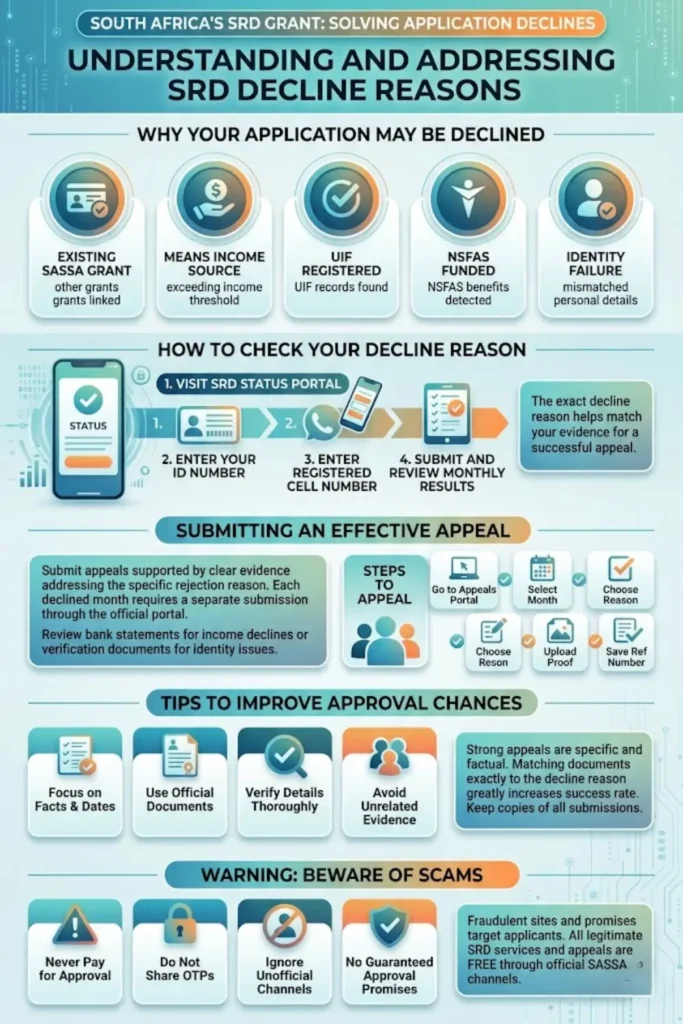
Understanding your SRD decline reason is important because every decline category has a different solution. Some rejections are caused by income verification, while others may result from identity mismatches, existing grants, or outdated information in government databases. This guide explains how to check SRD decline reasons, the most common causes behind these declines, and what you can do to appeal or correct the issue.
What Are SRD Decline Reasons?
SRD decline reasons are explanations provided by SASSA when an applicant does not meet one or more eligibility requirements for a specific month. Since SRD applications are assessed monthly, a person may qualify in one month and be declined in another depending on their circumstances.
You can also read: Sars 2026 Return Submission Deadlines
The decline reason helps applicants understand why payment was not approved and whether the decision can be challenged through an appeal. Some reasons indicate a permanent eligibility issue, while others result from temporary administrative or verification problems that can be corrected.
How to Check Your SRD Decline Reason
Checking your SRD decline reason is a simple process and should always be the first step before filing an appeal. The status result will show the exact reason used during the assessment.
Follow these steps:
- Visit the official SRD status check portal.
- Enter your South African ID number.
- Enter the cellphone number linked to your application.
- Submit the request.
- Review the status result for each month.
- Note the specific decline reason displayed.
Always record the exact wording shown on the portal because appeal categories often use the same or similar wording.
Why Understanding the Exact Decline Reason Matters
Many applicants submit appeals without understanding why they were declined. This often leads to unsuccessful outcomes because the supporting documents do not address the actual problem identified during assessment.
A successful appeal should directly respond to the decline reason. For example, income-related declines require financial evidence, while identity-related declines require verification documents. Matching your evidence to the reason significantly improves the quality of your appeal.
Most Common SRD Decline Reasons
Several decline reasons appear frequently among SRD applicants. Each one has different causes and requires a different approach.
| Decline Reason | Meaning | Can You Appeal? |
|---|---|---|
| Means Income Source Identified | Income above eligibility threshold detected | Yes |
| Existing SASSA Grant | Another active grant linked to your ID | Yes, if incorrect |
| NSFAS Registered | Active NSFAS funding detected | Yes, if outdated or incorrect |
| UIF Registered | UIF records show active benefits | Yes |
| Identity Verification Failed | Personal details do not match records | Yes |
| Government Payroll Registered | Employment on government payroll detected | Yes |
| Alternative Income Source Identified | Financial activity suggests income | Yes |
| Reapplication Pending | Application not fully processed | Usually no appeal needed |
Understanding which category applies to you helps determine the correct next step.
Existing SASSA Grant
This decline appears when SASSA’s system detects another active social grant linked to your ID during the assessed month. Since SRD is intended for individuals not receiving another personal social grant, the system automatically declines the application.
Common causes include:
- A genuinely active grant under your ID
- A grant that ended but remains active in records
- Incorrect linking of another person’s grant
- Legacy or duplicate records in the system
If the grant does not belong to you or was no longer active during the assessed month, gather supporting evidence and submit an appeal.
You can also read: Whatsapp Plus Subscription South Africa
Means Income Source Identified
This is one of the most common SRD decline reasons. It means financial checks detected income above the SRD eligibility threshold during the assessment period.
Possible triggers include:
- Salary deposits
- Freelance payments
- Business income
- Regular transfers into your bank account
- Financial support that appears as recurring income
Before appealing, carefully review your bank transactions for the month that was declined.
Alternative Income Source Identified
This decline occurs when financial data suggests access to income even if no formal salary was detected. The assessment process may identify transactions that indicate financial support beyond the allowable threshold.
Applicants often receive this decline because of frequent transfers from family members, recurring deposits, or other financial activity that appears similar to income.
UIF Registered
The UIF Registered decline reason appears when records indicate that you are receiving benefits from the Unemployment Insurance Fund or have recently been associated with UIF claims.
Sometimes this happens because:
- UIF records have not been updated
- Benefits have already ended
- Incorrect information exists in the database
Applicants should verify their UIF status before submitting an appeal.
NSFAS Registered
Applicants who receive funding through the National Student Financial Aid Scheme may receive an NSFAS Registered decline. Since NSFAS beneficiaries already receive government financial assistance, they generally do not qualify for SRD support during funded periods.
If your funding has ended or the information is outdated, you may be able to challenge the decline with supporting documentation.
Identity Verification Failed
Identity verification failures occur when personal information does not match official government records. Even a small discrepancy can trigger this decline.
Common issues include:
- Incorrect ID number
- Misspelled names
- Outdated personal details
- Differences between Home Affairs and SASSA records
- Registration errors during application
Review your details carefully before submitting an appeal.
Government Payroll Registered
This decline reason indicates that government employment records show your name on a public sector payroll. Individuals actively employed by government institutions generally do not qualify for SRD assistance.
In some cases, former employees may receive this decline because payroll records have not yet been updated.
You can also read: South Africa Immigration Crackdown
How to Submit an SRD Appeal
Once you understand the decline reason, you can proceed with an appeal if you believe the decision is incorrect. Appeals should be supported by evidence that directly addresses the specific reason for rejection.
General appeal steps include:
- Visit the official SRD appeals portal.
- Enter your ID number.
- Verify your cellphone number using the OTP.
- Select the declined month.
- Choose the matching appeal reason.
- Upload supporting evidence.
- Submit the appeal.
- Save your reference number.
Remember that each declined month must be appealed separately.
Common Mistakes Applicants Make
Many appeals fail because applicants submit incomplete information or evidence unrelated to the decline reason.
Avoid these common mistakes:
- Appealing without checking the actual reason
- Uploading documents for the wrong month
- Using unclear or blurry screenshots
- Providing incomplete personal information
- Missing appeal deadlines
- Submitting generic explanations without evidence
A well-organized appeal is usually more effective than a lengthy explanation.
Tips to Improve Your Chances of Approval
Strong appeals focus on facts, dates, and supporting documentation rather than emotional arguments. Decision-makers assess evidence, not personal opinions.
Helpful practices include:
- Verify the decline reason first
- Keep copies of all submissions
- Save screenshots of status results
- Use official supporting documents
- Ensure dates match the assessed month
- Follow up through official channels only
The more accurately your evidence addresses the decline reason, the stronger your appeal becomes.
Warning: Beware of SRD Scams
Fraud related to SRD applications continues to increase. Scammers often target applicants who have been declined and are looking for assistance.
Protect yourself by following these rules:
- Never pay anyone to approve your SRD application
- Do not share OTP codes
- Avoid unofficial websites
- Ignore guaranteed approval promises
- Verify all communications through official channels
Legitimate SRD appeals are free and do not require payment to third parties.
What Happens After You Submit an Appeal?
After submission, your appeal is reviewed by the Independent Tribunal for Social Assistance Appeals (ITSAA). Processing times may vary depending on the number of appeals being handled.
During the review process, officials assess the evidence you provided against the records used during the original SRD assessment. If the appeal is successful, payment may be approved for the affected month. If it is unsuccessful, the original decision remains in place.
Conclusion
Checking your SRD decline reason is the first and most important step when your application is rejected. Every decline category has a specific cause, and understanding that cause allows you to take the correct action. Whether the issue involves income verification, an existing SASSA grant, UIF records, NSFAS funding, or identity verification, matching your appeal evidence to the decline reason greatly improves your chances of success.
You can also read: Sassa SRD SC19 Status Check Appeal 2026
Always use official SRD platforms, keep detailed records of your submissions, and verify information before appealing. A careful and informed approach can help you resolve many common SRD decline issues and avoid unnecessary delays.
Frequently Asked Questions
How do I check why my SRD application was declined?
Visit the official SRD status check portal, enter your ID number and registered cellphone number, and review the status result for the declined month.
Can I appeal every SRD decline reason?
Most decline reasons can be appealed if you believe the decision is incorrect. However, you must provide evidence that directly addresses the reason for rejection.
Why am I getting an Existing SASSA Grant decline?
This usually means another social grant was detected under your ID for that month. If the grant is not yours or was no longer active, you may submit an appeal.
What documents should I upload for an appeal?
The required documents depend on the decline reason. Use evidence that specifically proves the information used during assessment is incorrect.
How long does an SRD appeal take?
Processing times vary, but applicants should regularly check their appeal status using official SRD channels.
Can I appeal multiple declined months?
Yes. Each declined month is assessed separately and requires its own appeal submission.
Is there a fee to submit an SRD appeal?
No. SRD appeals are completely free through official government platforms.