SASSA Appeals 2026 Check SRD Payment R370 and Other Social Grants Details
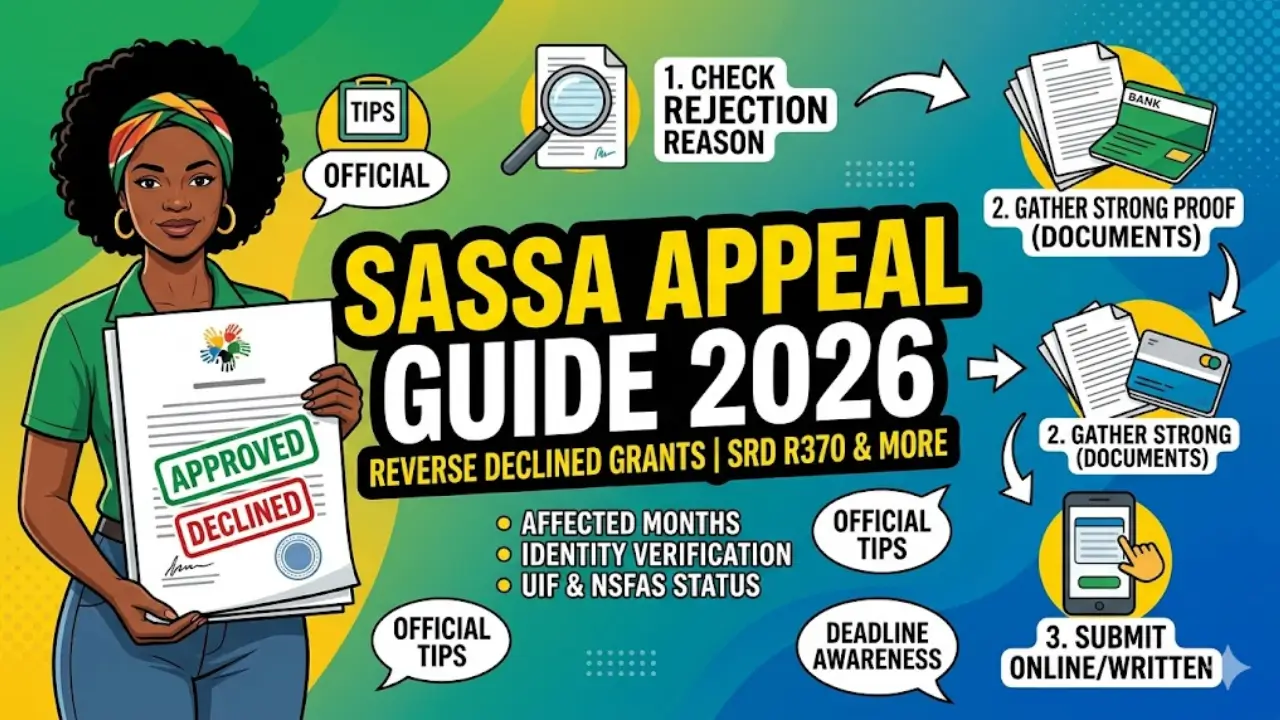
Understanding how the SASSA appeal system works in 2026 is essential if your grant application has been declined or stopped. Whether it is the SRD R370 grant or other social grants, the appeal process gives you a fair chance to request a review. This guide explains everything in simple terms so you can take the right steps with confidence.
What is a SASSA Appeal and How It Works
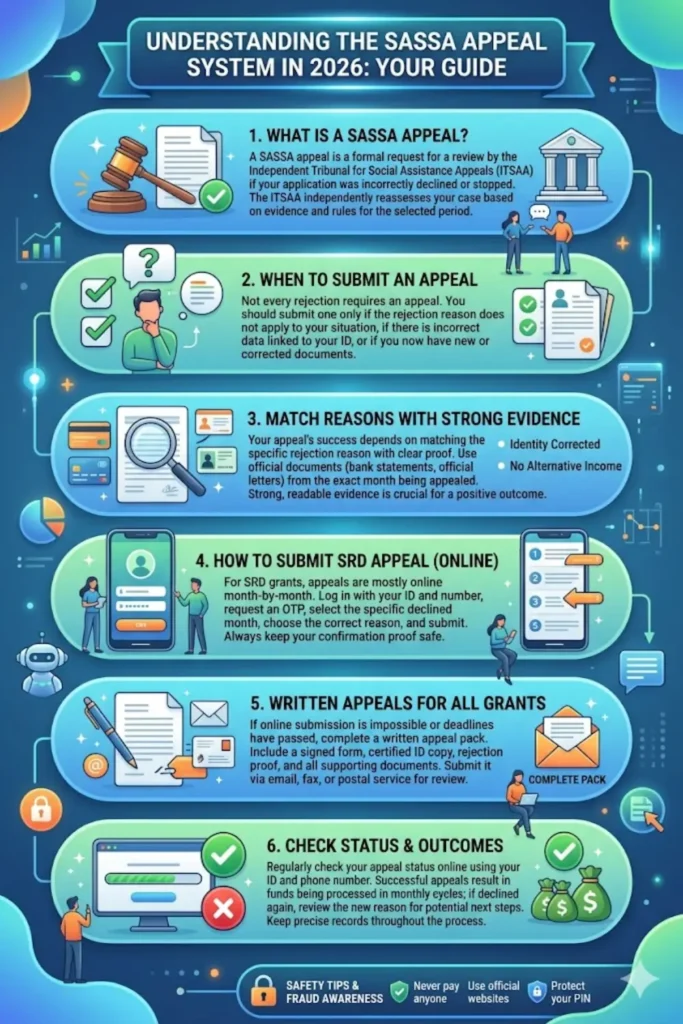
A SASSA appeal is a formal request to review a decision when you believe it is incorrect. Appeals are handled through the Independent Tribunal for Social Assistance Appeals (ITSAA), which reassesses your case based on the rules and your specific situation during the selected period.
For SRD grants, appeals are done month-by-month. This means if multiple months are declined, you must appeal each one separately. For other grants, the process may involve reconsideration first and then a formal appeal if needed.
- Appeals focus on specific months or decision periods
- Evidence must match the exact reason for rejection
- ITSAA reviews your case independently from SASSA
When You Should Submit an Appeal
Not every rejection needs an appeal. It is important to know when an appeal is worth your time and effort.
You should appeal if:
- The rejection reason does not apply to your situation
- There is incorrect data linked to your ID
- You have new or corrected documents
- Important documents were missing earlier
Avoid appealing if:
- You do not have strong supporting evidence
- Your documents do not match the rejection reason
- You are unsure about the actual decline reason
Making sure your appeal is accurate increases your chances of success.
You can also read: SASSA Identity Verification Fixed
Confirm Your Decline Reason First
Before starting an appeal, always verify why your application was declined. This step prevents mistakes and saves time.
For SRD:
- Check your status online
- Note the exact declined month
- Write down the specific reason shown
For other grants:
- Review your rejection letter or SMS
- Keep a copy of the notification
- Confirm the date of the decision
This step ensures your appeal matches the correct issue.
Appeal Reasons and Required Supporting Documents
The most important part of your appeal is matching your reason with clear proof. The stronger your evidence, the higher your chances of approval.
Common SRD Appeal Reasons and Documents
| Decline Reason | Appeal Option | Supporting Documents |
|---|---|---|
| Income identified | No alternative income | Bank statements, employer letter |
| Identity verification failed | Identity corrected | ID copy, correction proof |
| UIF registered | Not UIF registered | Termination letter, bank proof |
| NSFAS registered | Not NSFAS registered | Official NSFAS confirmation |
| Government payroll | Not on payroll | Employment records, statements |
Key tips:
- Use documents from the same month being appealed
- Ensure copies are clear and readable
- Include official or certified documents where required
Deadlines and Expired Appeals
SASSA appeals have strict deadlines, especially for SRD grants. If you delay too long, the system may block your submission.
If you see “cut-off date expired”:
- You cannot appeal online
- Use a written appeal instead
- Include a condonation letter explaining the delay
Acting quickly is important to avoid missing your opportunity.
How to Submit SRD Appeal Online (Step-by-Step)
The SRD appeal process is simple if you follow the correct steps.
- Visit the official appeals portal
- Enter your ID and registered phone number
- Request and enter the PIN (OTP)
- Select the declined month
- Choose the correct appeal reason
- Submit and save confirmation
Important reminders:
- Appeal each rejected month separately
- Keep proof of submission
- Ensure your phone number is active
Written Appeals for All Grants
If online appeal is not possible, written appeals are the best option. This method works for both SRD and other social grants.
A complete appeal pack should include:
- Signed appeal form
- Certified copy of your ID
- Proof of rejection
- Supporting documents
- Authorization letter (if someone applies for you)
Submission methods:
- Fax
- Postal service
Written appeals are especially useful when:
- Online deadlines have passed
- You need to submit detailed evidence
- You want official proof of submission
You can also read: Change SRD Phone Number and Enter
How to Check Your Appeal Status
After submitting your appeal, tracking its progress is important. For SRD appeals, you can check status online using your ID and phone number.
- Use the same details used during application
- Check regularly for updates
- Keep your submission proof ready
This helps you stay informed and take action if needed.
Appeal Outcomes and What Happens Next
Once your appeal is reviewed, there are two possible outcomes.
If Approved
- Payment is processed for the approved month
- No fixed payment date for appeals
- Funds follow monthly payment cycles
If Declined
- Review the new decision reason
- Compare it with your submitted evidence
- Consider next steps if necessary
Keep all records safe for future reference.
Common Mistakes to Avoid
Many appeals fail due to simple errors. Avoid these to improve your chances.
- Submitting wrong or unrelated documents
- Appealing without checking the decline reason
- Missing deadlines
- Providing unclear or incomplete information
- Using incorrect appeal options
Accuracy and clarity are key to a successful appeal.
Safety Tips and Fraud Awareness
Be careful while submitting your appeal to avoid scams.
- Never pay anyone to submit your appeal
- Do not share your OTP or PIN
- Use only official websites and contacts
- Verify calls claiming to be from SASSA
Your personal information should always stay protected.
Conclusion
The SASSA appeal process in 2026 is designed to give applicants a fair opportunity to correct mistakes and provide missing information. By confirming your rejection reason, selecting the correct appeal option, and attaching strong evidence, you can significantly improve your chances of success.
Take your time, follow the correct steps, and keep records of everything. A well-prepared appeal is the best way to ensure your case is properly reviewed.